
Survivors Fund (SURF) is proud to share the success of our Counselling Embedding Response Project (CERP IV), which has made a lasting contribution to the mental health and wellbeing of genocide survivors across Rwanda, made possible through the support of the Clifford Chance Cornerstone Initiative.
Building on earlier phases of CERP, CERP IV focused on embedding survivor-sensitive mental health awareness and referral pathways within Rwanda’s public health system. By training more than 200 Community Health Officers (CHOs) nationwide, and indirectly strengthening the skills of around 1,500 Community Health Workers (CHWs), the project ensured that frontline health actors are better equipped to recognise trauma-related mental health needs and guide survivors towards appropriate support.
As one professional counsellor reflected:
“At the beginning, we did not believe phone-based counselling would be possible. Through training and experience, we realised how beneficial it is — especially for people living in remote areas or those who cannot afford transport.”
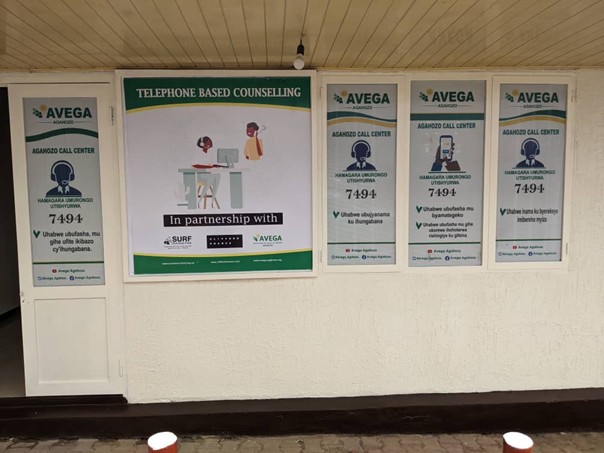
Alongside this system-strengthening work, national phone-based counselling services continued throughout the project, ensuring continuity of care. During the project period, over 8,400 people accessed mental health support, including 3,150 first-time callers. Peer Support Counsellors (PSCs), themselves survivors, played a vital role in reaching individuals within their communities, supporting 2,754 survivors directly and helping to reduce stigma around seeking help.
The impact has been profound. An endline survey of beneficiaries showed that 99% felt the counselling helped them address the issues they were facing, while 97% reported feeling more hopeful and confident about the future. One beneficiary shared:
“I was close to death because of my mental health challenges. Through telephone counselling, my life has changed completely. I am working again, caring for my children, and no longer feel alone.”
Crucially, CERP IV has helped ensure sustainability beyond the life of the project. Skills are now embedded within communities and health centres, and evidence generated through the programme has already helped secure further funding to expand district-level counselling provision. Together, these achievements mark an important step towards accessible, dignified, and lasting mental health support for genocide survivors and their communities.