
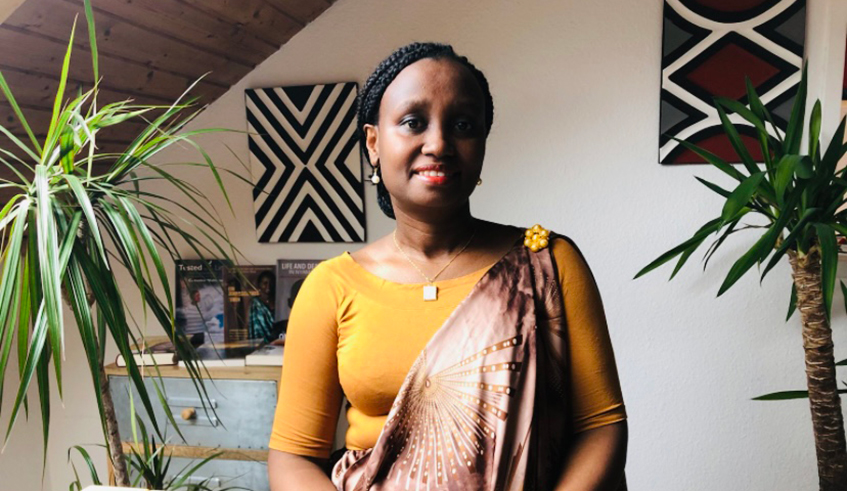
In a new interview published in Peace Review, Dr Noam Schimmel speaks with Judence Kayitesi, a survivor of the Genocide against the Tutsi in Rwanda, author of the memoir A Broken Life, and founder of the INZOZi Publishers. Kayitesi, who is also a board member of Ibuka Germany, was 11 years old when she was attacked and wounded by Interahamwe militia during the genocide, in which she lost her parents and many relatives. The interview forms part of Dr Schimmel’s ongoing effort to bring survivor testimony into the academic literature on Rwanda and the genocide.
This post discusses violence experienced during the genocide, including an account of physical assault.
On Reparative Justice
Asked what reparative justice requires in the aftermath of genocide, Kayitesi says no response can be proportionate to what was lost, but that survivors should still expect several concrete elements: truth-telling and accurate historical documentation, financial compensation, and access to healthcare, particularly psychological and trauma support. She also points to education and housing support, continued efforts to heal social divisions between survivors and perpetrators, and more comprehensive legal accountability, noting that international tribunals have sometimes handed down sentences she and other survivors regard as disproportionately light.
On the Ongoing Needs of Survivors
Kayitesi describes poverty, inadequate housing, and unmet mental health needs as among the most urgent challenges survivors still face, particularly since Rwanda’s government-run genocide survivors’ support fund wound down many of its services. She argues that NGOs and development agencies can only serve survivors effectively if they first take the time to understand the history of the genocide and its lasting impact, and points to survivor-centred organisations such as the Imbuto Foundation and AVEGA Agahozo as examples of what holistic, community-based support can look like.
Why This Matters
As Kayitesi puts it, “there’s no kind of justice that can be given to the victims” of genocide, a reminder that formal justice mechanisms, however important, can never be commensurate with what was lost. At Survivors Fund (SURF), we are grateful to Judence Kayitesi for sharing her testimony so openly, and to Dr Schimmel for his continued work bringing survivor voices into the academic and public record on the genocide and its aftermath.
The full interview is available to read via Peace Review.